
Training
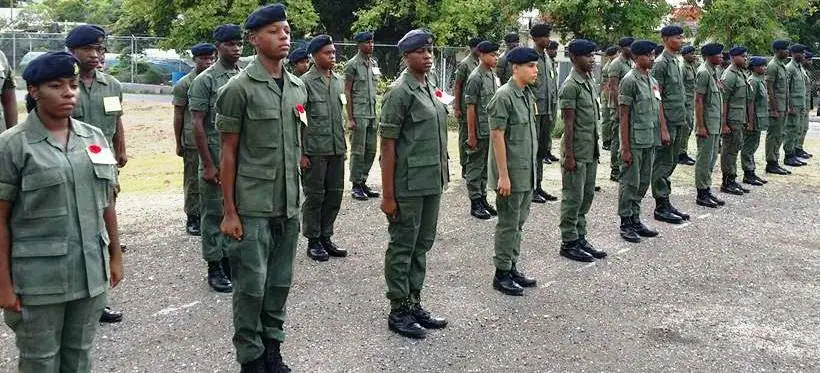
Drill
Drill develops sharp and meaningful responses to orders and underscores respect for authority, co-operation, unity of purpose and co-ordination of effort.
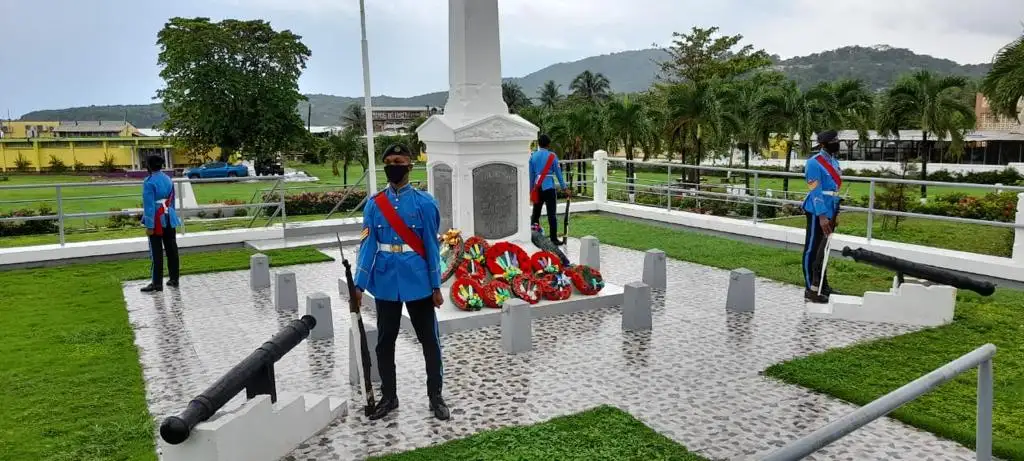
The Jamaica Combined Cadet Force (JCCF) is a youth movement with a difference. It is a para-military organization based on discipline with a rank structure. Working within this environment, young people are given a feeling of stability and purpose while engaging in fun-filled activities.
The JCCF is a training organization that is based upon para-military skills. The aim of this type of training is not to produce a highly trained soldier but to appeal to the imagination of the youngsters, challenge them and channel their energies into developing a well-rounded world-class citizen, equipped with leadership, discipline, citizenship and life skills…all of which makes a model citizen.
The leadership of the Cadet Force takes pride in being part of a voluntary organization, which plays a pivotal role in nation-building by assisting young Jamaicans to achieve their full potential in a dynamic and challenging environment.
Training combines structured discipline with practical, challenging activities that help young people grow in confidence, responsibility and citizenship.
The JCCF uses both military and community activities to achieve its mission and develop qualities that serve young people, their communities and the country.
The Cadet Force is a voluntary Youth Organization, sponsored by the Government, and seeks to utilize both Military and Community activities to achieve the objectives. Its purpose is to develop among members the qualities of:
Cadet Training embraces programmes to develop discipline, leadership and community service. Some components of military discipline are utilized in the methodology of training.
Drill develops sharp and meaningful responses to orders and underscores respect for authority, co-operation, unity of purpose and co-ordination of effort.
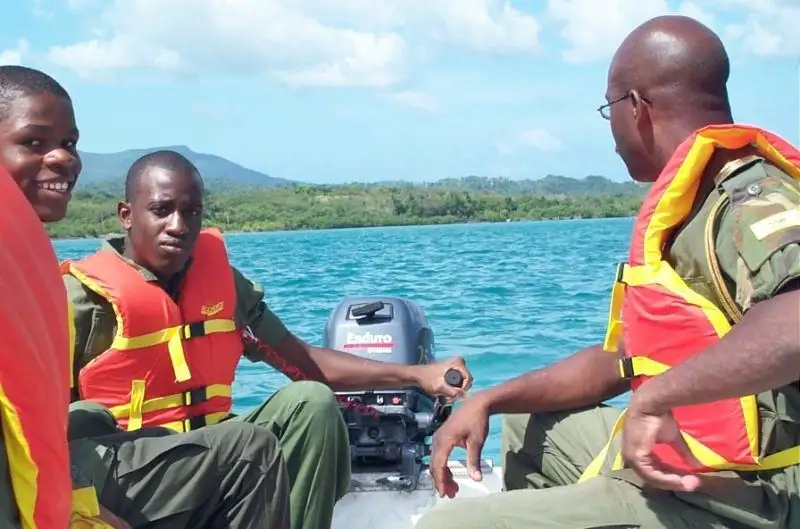
Provides exposure to navigation, swimming, ditching and basic boat handling for cadets interested in maritime careers.
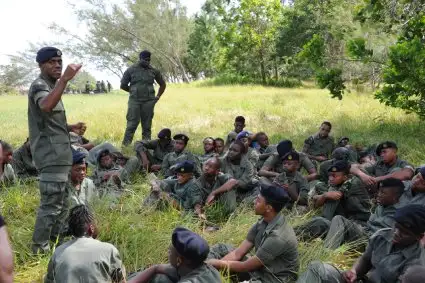
Cadets learn to identify terrain and physical features using map and compass as an important practical skill.
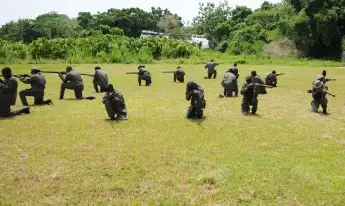
Section Leading enhances leadership and tactical capabilities through reconnaissance and leading a group in structured activities.
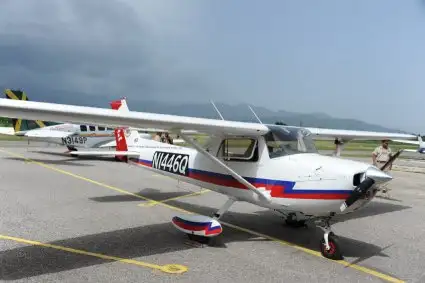
Provides exposure for cadets who aspire to become aircraft pilots, crew members or aircraft technicians, including opportunities for basic pilot training.
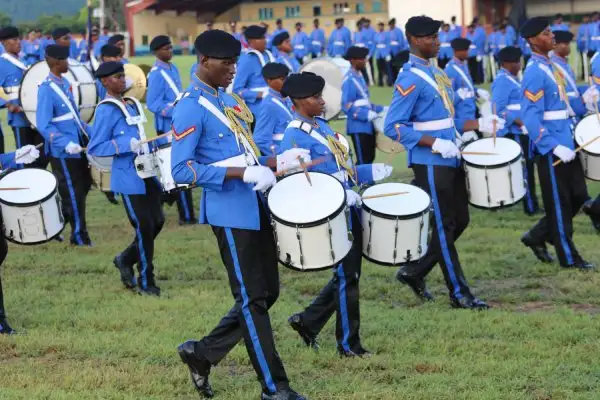
Builds musical skills, music-reading ability and opportunities to provide musical rendition at civic and private functions.
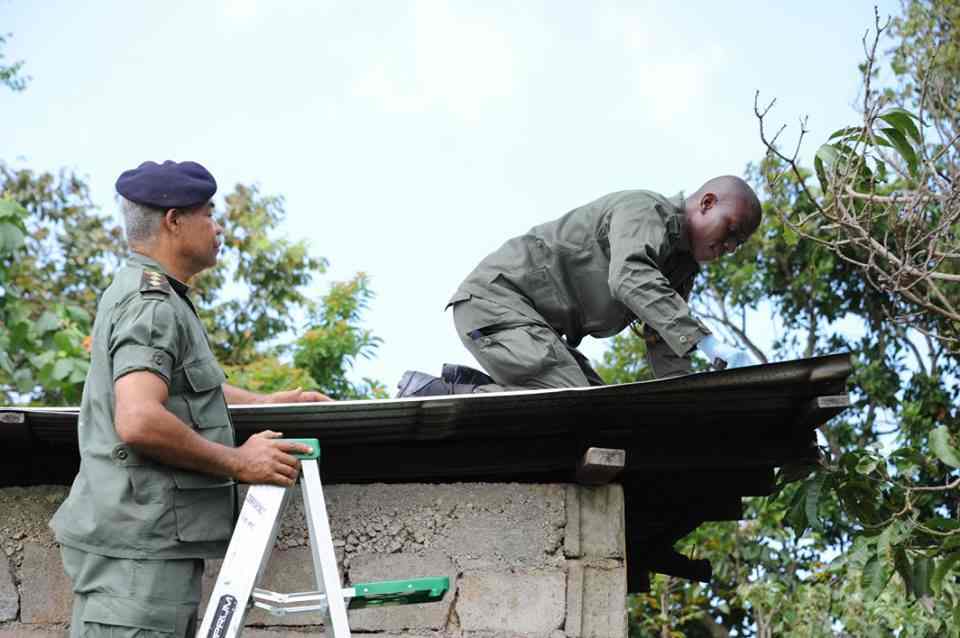
Provides marketable skills that may support lifelong career goals, including carpentry, electrical, welding and plumbing.
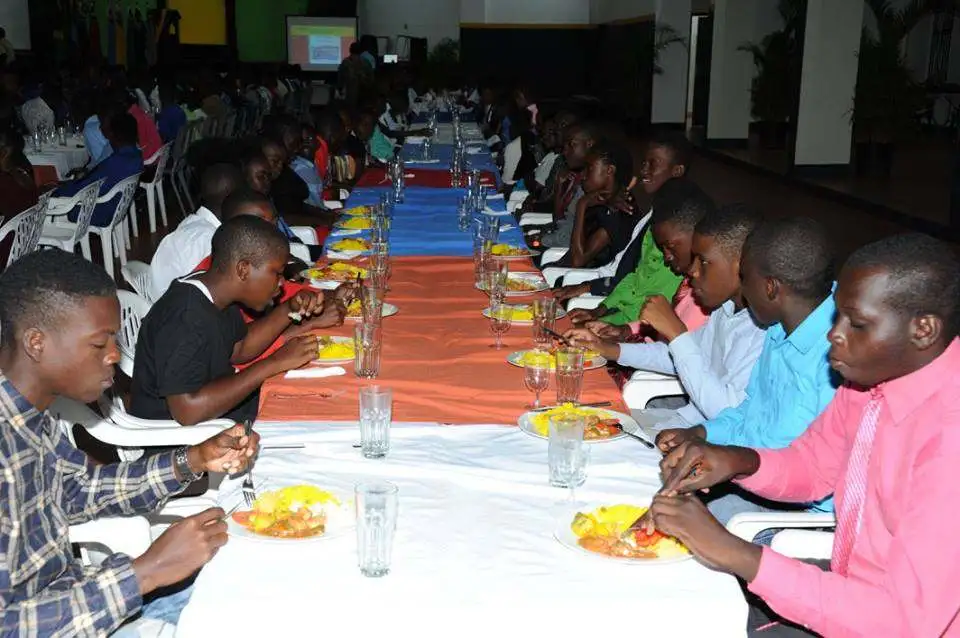
Develops confidence in new social and formal settings by teaching basic table etiquette and the correct placement of dishes, utensils and glassware.
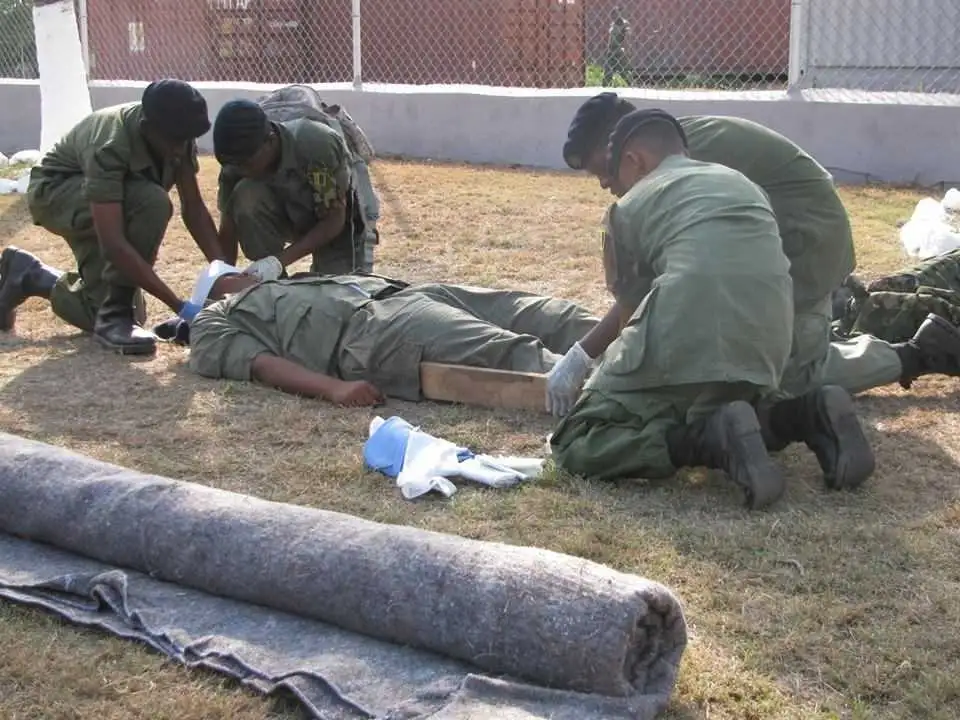
Cadets learn first-response principles, including assessing a situation, making an area safe, applying basic treatment, getting help and reporting to medical practitioners.
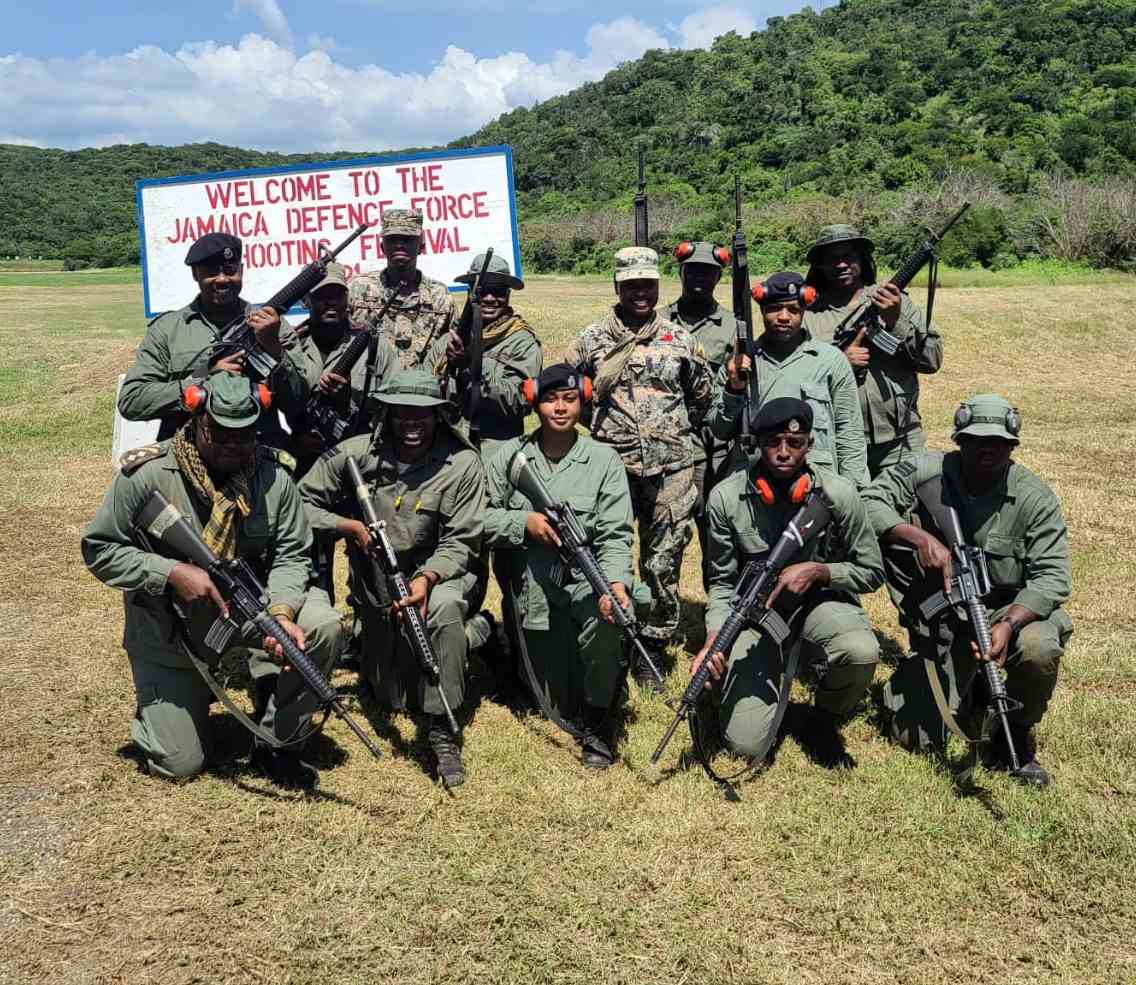
Develops appreciation for weapon safety, applicable laws and the dangers associated with unauthorized or unsafe use.
Mental, moral and physical development to help young people make a strong start in life.
Instilling service to fellow citizens, school, workplace and country.
Technical and specialist training that broadens practical skills and opportunities.